
Trézor.io/Start — Starting Up™ Your Device | Trézor®
Get started with your Trezor hardware wallet through Trezor.io/start and find information for account organization, asset monitoring, balances, and activity.
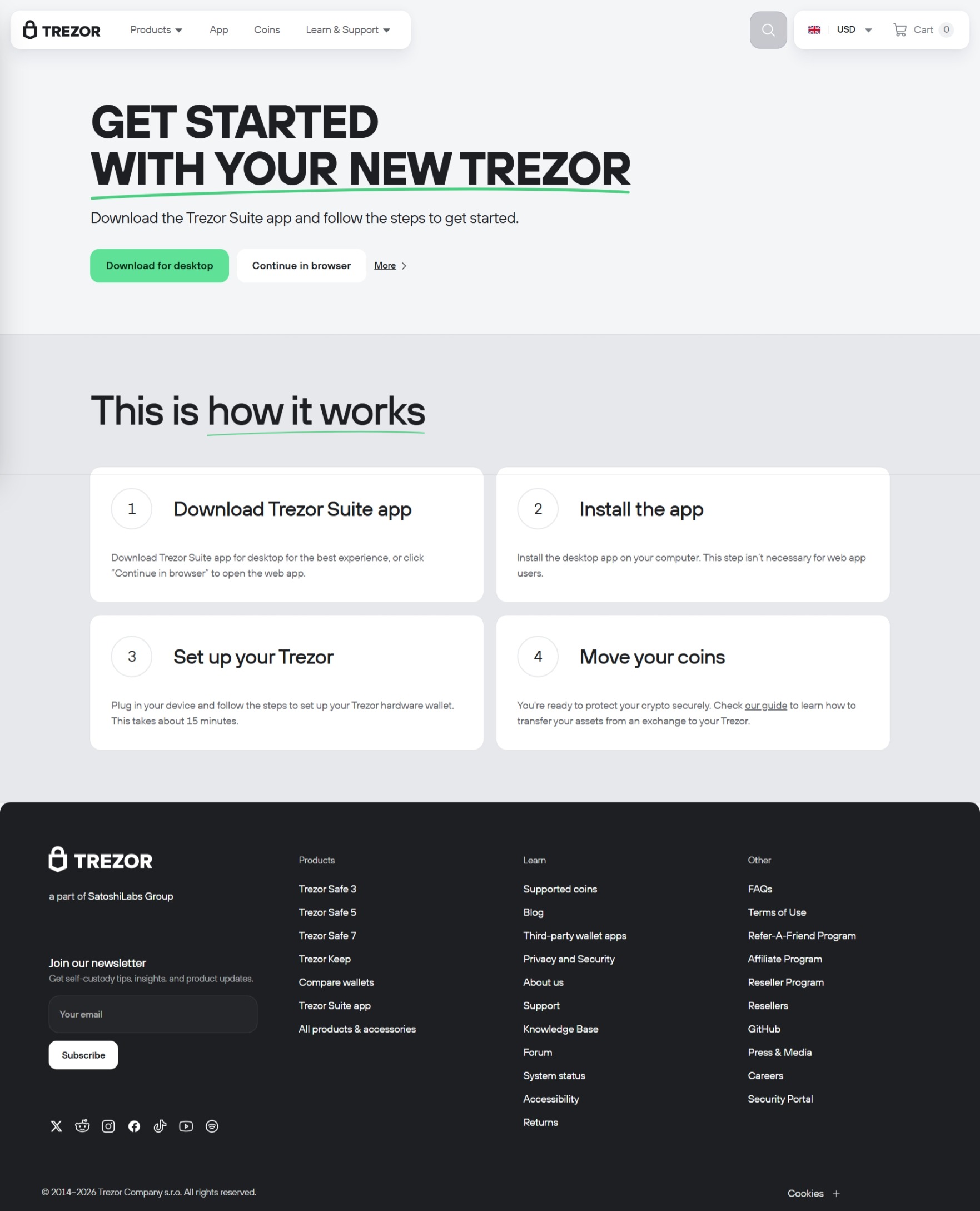
Trezor.io/start: A Practical Guide for a Smooth Hardware Wallet Setup
Getting started with a hardware wallet is easier when the process is approached carefully. Trezor.io/start is a useful starting phrase for people looking for guidance on preparing a Trezor device, installing the required software, and understanding the basic security practices involved in wallet management.
A successful setup is not about completing every step as quickly as possible. It is about checking important information, keeping private details protected, and understanding what your device is asking you to confirm.
Create the Right Setup Environment
Before connecting your Trezor device, prepare a computer that you trust and control. Avoid performing the initial setup on public computers or devices that are regularly used by many people.
Choose a quiet environment where you can concentrate on each instruction. Keep your hardware wallet nearby so you can compare information shown on the computer with information presented by the physical device.
Taking a few extra minutes at this stage can make the rest of the process more organized.
Check the Setup Website
When using Trezor.io/start, pay close attention to the address displayed in your browser.
Search engines and social platforms can contain links to independent websites discussing hardware wallets. Not every page that mentions Trezor is an official setup resource.
Before downloading software or following installation instructions, verify that you are using the appropriate source. Avoid entering sensitive wallet information into websites simply because they look professional.
Install From a Trusted Source
Follow the available setup instructions for your particular Trezor device and computer.
Use software from a verified source rather than downloading wallet applications from random file-sharing pages, advertisements, or unsolicited messages.
If a download is accompanied by unusual instructions or requests for confidential information, stop and verify the source before continuing.
Connect Your Trezor Device
Once the required software is ready, connect the hardware wallet as instructed.
The setup process may display instructions on your computer while the physical Trezor device provides additional information or confirmation prompts.
Read those prompts instead of automatically clicking through them. Your hardware device is an important part of the confirmation process, so pay attention to what it displays.
Give Recovery Information Special Attention
Recovery information should always be treated as private.
During setup, follow the instructions for creating or handling your wallet recovery information. Store it securely and keep it away from cameras, cloud storage, email, messaging applications, and other easily accessible locations.
Most importantly, do not share recovery words with another person.
A legitimate-looking message asking for your recovery information should still be treated cautiously. Private wallet recovery details should never be provided simply because someone claims to be support staff.
Learn Before You Transact
After the setup is complete, explore the wallet environment before attempting complicated transactions.
Look through the available account information and become familiar with how balances and transaction activity are presented.
Learning where important information appears can reduce confusion later. You do not need to master every feature during your first session.
Make Transaction Verification a Habit
When sending supported digital assets, slow down during the final confirmation stage.
Review the destination and amount carefully. Compare the information displayed by the software with the details shown on the hardware wallet when applicable.
If something looks different from what you expected, stop and investigate before approving the transaction.
This simple habit can be useful every time you use the wallet.
Be Careful With Online Assistance
Technical questions can lead users to forums, social networks, and messaging platforms where strangers offer help.
Avoid giving remote access to your computer or sharing private wallet information with unsolicited contacts.
If you need assistance, locate trustworthy support documentation independently instead of relying on a random account that contacts you first.
Keep Your Wallet Routine Consistent
Security does not end after the first visit to Trezor.io/start.
Continue checking software sources before installing updates. Keep your computer maintained and avoid unknown applications that claim to improve wallet functionality.
Store your hardware wallet safely and keep your recovery information protected separately.
Conclusion
Starting with a Trezor hardware wallet becomes easier when each stage is handled deliberately. Trezor.io/start can serve as the starting point for learning the setup process and preparing your device for use.
Verify the setup source, use trusted software, carefully read device prompts, protect recovery information, and review transaction details before approval. A thoughtful beginning can help establish better wallet-management habits for the future.
Updated about 9 hours ago